
Rising electricity tariffs and ongoing grid instability have pushed thousands of South African businesses to consider solar. But for many, the biggest barrier isn’t whether solar makes sense — it’s the upfront capital required to install it. That’s where no-capex solar financing changes the equation.
What Is No-Capex Solar Financing?
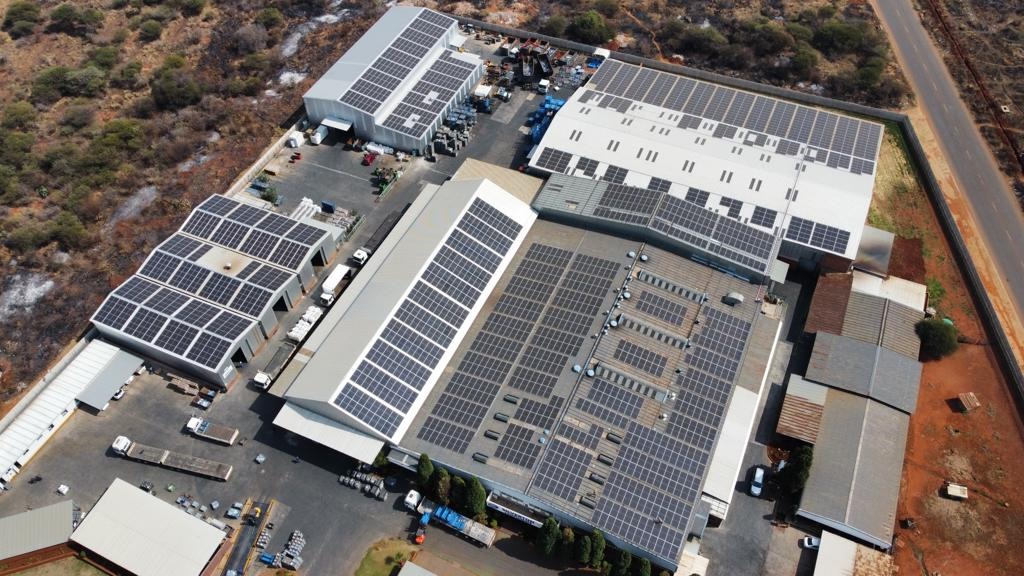
No-capex solar financing allows a business to install a solar system without paying for the equipment, installation, or ongoing maintenance out of pocket. Instead, a financing partner like Enfin funds, builds, maintains, and insures the system, and the business simply pays for the electricity it uses — typically at a rate lower than its current grid tariff.
This is often structured as a Power Purchase Agreement (PPA) or a similar energy-as-a-service model. The business gets the benefits of solar — lower bills, reduced grid dependence, a smaller carbon footprint — without taking on debt or tying up capital that could otherwise go toward growth.
Why This Model Is Gaining Traction in South Africa
Three forces are converging to make no-capex solar increasingly attractive for South African businesses:
1. Tariff pressure is not slowing down
Industrial and commercial electricity tariffs have continued to climb well above inflation in recent years, squeezing margins for energy-intensive businesses across manufacturing, retail, agriculture, and education.
2. Grid reliability remains a planning risk
Even as load shedding stages have varied year to year, the underlying reliability of grid supply remains a genuine operational risk that businesses need to plan around — not just an occasional inconvenience.
3. Equipment costs have fallen, but access to capital hasn’t kept pace
While panel, inverter, and battery prices have dropped significantly, many businesses — particularly SMEs, schools, and farms — still don’t have easy access to the capital or financing terms needed to install a system outright. A no-capex model removes that barrier entirely.
Who Benefits Most from This Model?
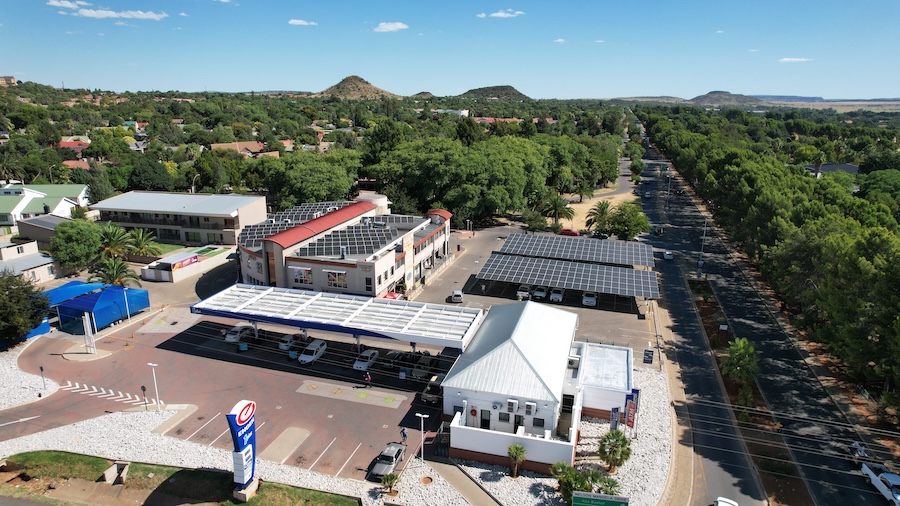
No-capex financing is particularly well suited to:
- Businesses wanting to protect margins without diverting capital from core operations
- Schools looking to redirect budget from electricity costs to educational resources
- Farms with high energy demands for irrigation, cooling, and processing
- Sectional title schemes where body corporates need a low-friction way to fund shared infrastructure
What to Expect from the Process
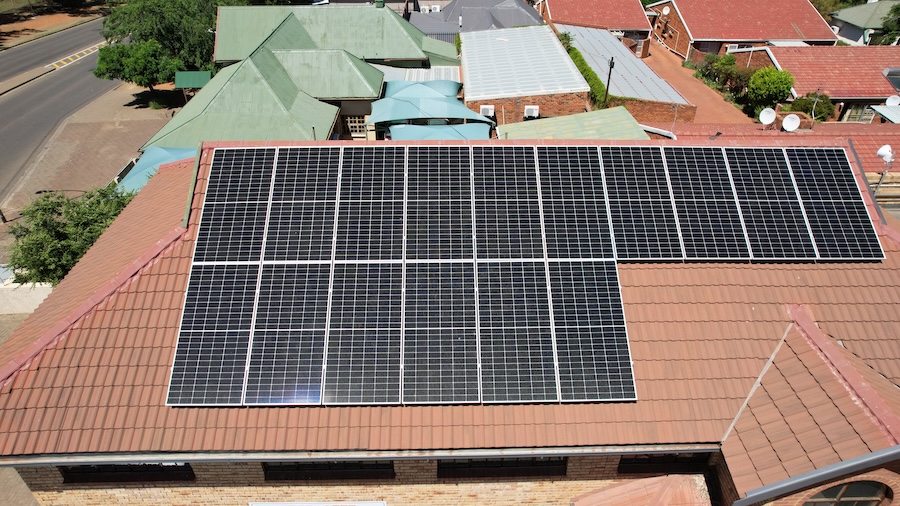
- Site assessment: A technical and financial feasibility review of your property and energy usage
- Custom system design: Sized to your actual consumption profile, not a generic package
- Funding, installation, and commissioning: Handled entirely by the financing partner
- Ongoing maintenance and insurance: Built into the agreement, so there’s no unexpected cost
- Simple monthly payment: Based on energy consumed, typically below your current grid rate
The Bottom Line
For South African businesses facing a difficult combination of high tariffs and unreliable supply, no-capex solar financing offers a way to solve both problems without a large capital outlay. It shifts solar from a capital expenditure decision to an operational one — making it accessible to organisations that might otherwise have to wait years to afford it outright.
Ready to see what a no-capex solar solution could look like for your organisation? Get in touch with our team for a free feasibility assessment.